Baby Checklist: What to Prepare Before Your Baby Arrives

Start with the things you will use in the first few days. Set up a sleep space, make a plan for feeding and diapering, and work out how you will get home. Leave room to buy extras once you know what your routine looks like.
Set up the sleep space
Prepare a crib, bassinet, or play yard designed for infant sleep. Use a firm, flat, level sleep surface with only its fitted sheet. Put your baby on their back for naps and at night, with pillows, blankets, toys, and bumpers out of the sleep area. See the NIH Safe to Sleep guidance for details. For secondhand gear, check the exact model in the CPSC recall database and confirm you have the matching instructions and all required parts.
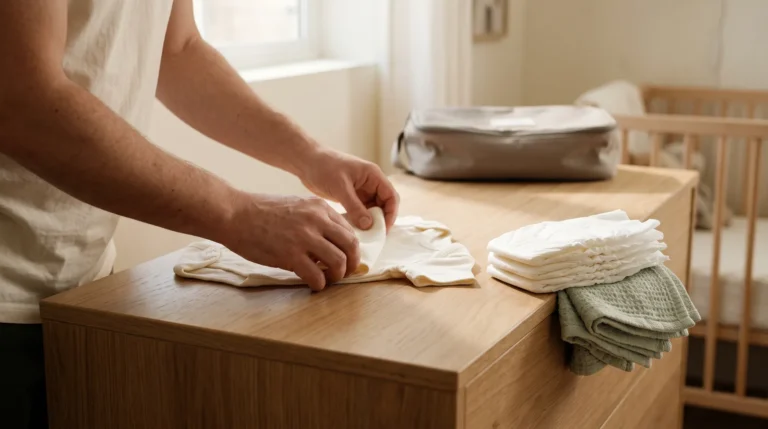
Stock a small changing and clothing station
- Start with a small supply of diapers and your preferred wipes or washcloths. Replenish once you know what fits.
- Keep clean diapers, spare clothes and a laundry bag together so another caregiver can find them.
- Start with a few easy-to-change outfits and a spare fitted sheet. Buy more after you see what fits and how often you do laundry.
Prepare feeding supplies for your plan
Ask your care team what supplies to have ready and whom to call with feeding questions. Gather the items your plan calls for and keep their instructions handy. If you’ll use a pump, check which parts need cleaning before first use. Our wearable pump comparison links to model-specific instructions for three pumps.
Plan the trip home
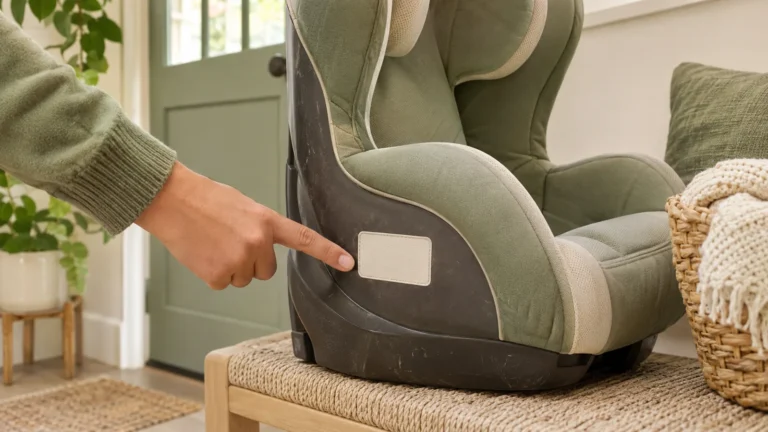
If your baby will ride in a car, choose a rear-facing seat that fits the baby and vehicle. Follow the seat and vehicle manuals. NHTSA’s car-seat guidance explains selection and provides a way to find inspection help. Keep the going-home outfit and paperwork accessible in your hospital bag.
Leave the optional purchases for later
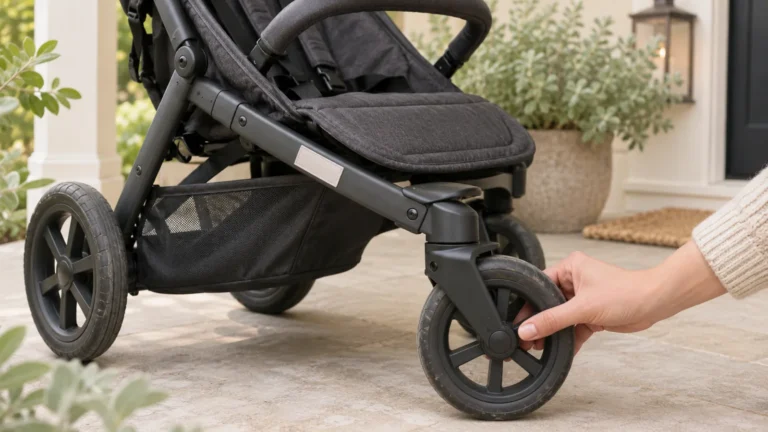
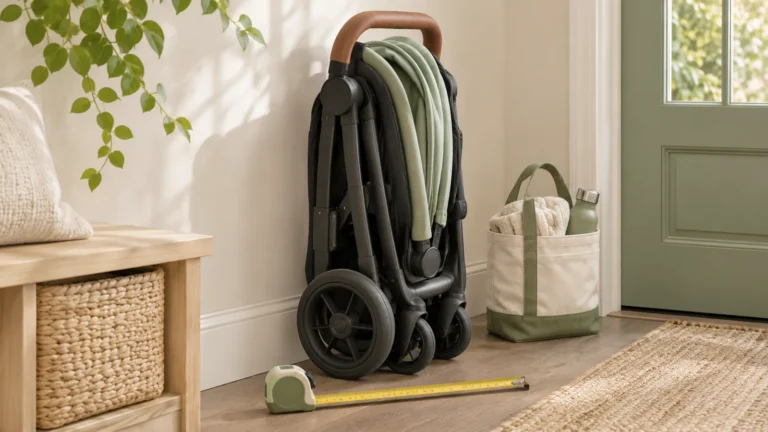
A stroller or monitor may be useful depending on your home and routines. Put those items on a later list if the immediate needs are covered. Keep a shared note with your maternity unit, pediatric office, and support contacts so another caregiver can find them when needed.