Monthly Archives: December 2025
Expired Car Seats: Is It Illegal, Unsafe, or Just a Mystery for New Parents?
Navigating car seat safety can feel overwhelming, especially with expiration dates. This guide tackles the common question: is using an expired car seat illegal? We’ll demystify the rules, explain the real risks, and provide practical advice to keep your little one safe and give you peace of mind.
Introduction: The Hidden Date on Your Car Seat and Why It Matters
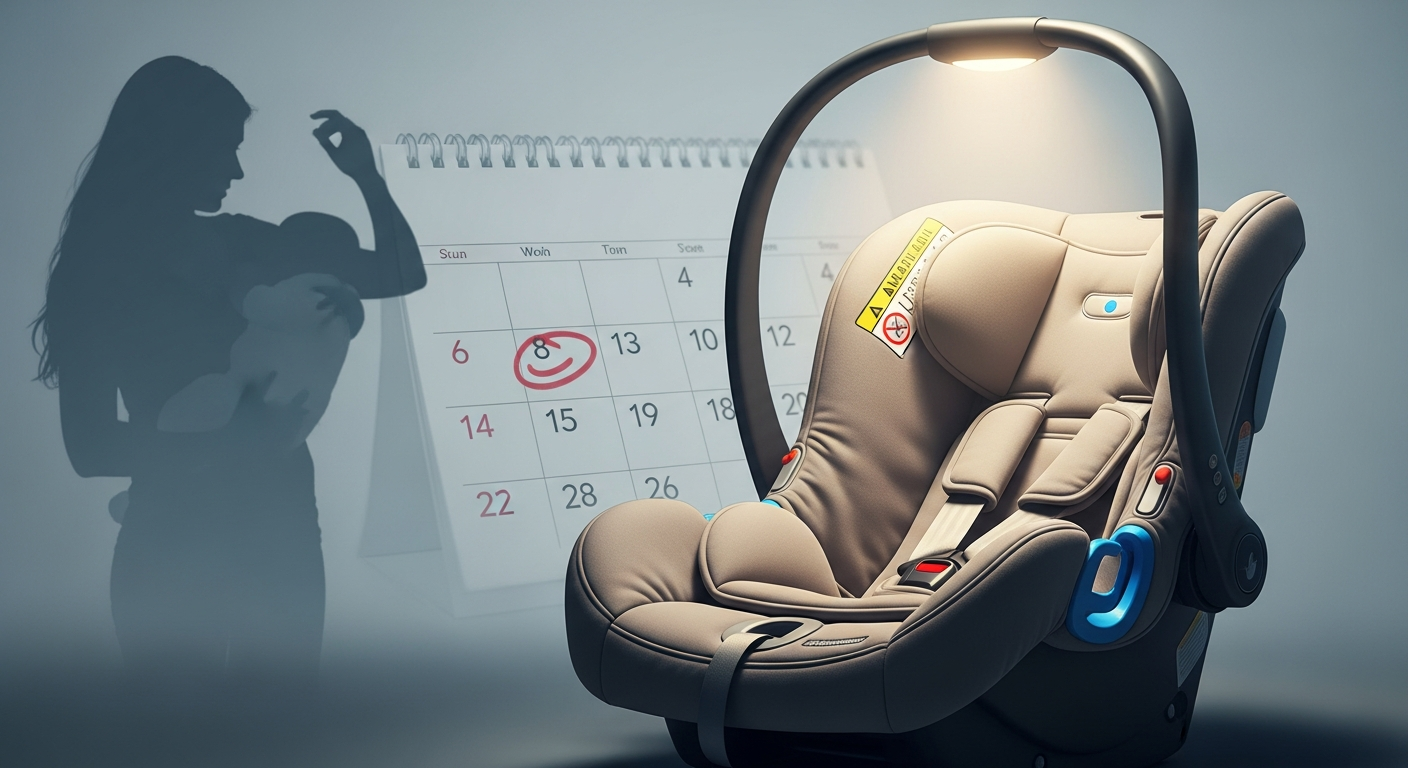
Congratulations, new parent! You’ve likely spent hours researching the perfect car seat, comparing safety features, installation methods, and maybe even fabric choices. You’ve probably practiced installing it dozens of times, watched countless YouTube videos, and felt a surge of pride (and a little bit of terror) when you finally buckled your tiny human in for the first time. But amidst all that meticulous preparation, there’s one crucial detail that often goes unnoticed until a panicked Google search at 2 AM: the car seat expiration date.
It sounds a bit strange, right? A car seat isn’t food, so why does it have an expiration date? You’re not alone in wondering this. Many first-time parents (and even seasoned ones!) are completely unaware that their child’s most vital piece of safety equipment has a shelf life. It’s often tucked away in an inconspicuous spot, a tiny label that holds a mighty secret impacting your child’s safety.
Why Car Seats Have an Expiration Date: It’s More Than Just a Number
Think of your car seat as a complex piece of engineering, designed to withstand incredible forces in the event of a collision. It’s made from a variety of materials – durable plastics, metal components, fabric, and energy-absorbing foam – all working together to protect your little one. Over time, these materials can degrade, even without visible wear and tear.
- Plastic Degradation: The plastic shell of your car seat is constantly exposed to temperature fluctuations (think scorching summer heat in a parked car and freezing winter nights), UV rays from the sun, and everyday stresses from buckling and unbuckling. Over the years, these exposures can cause the plastic to become brittle, weakening its structural integrity. A weakened shell might not perform as intended during a crash, potentially putting your child at risk.
- Metal Fatigue: While less common, metal components can also experience fatigue over time, especially if subjected to repeated stress.
- Fabric and Foam Wear: The fabrics and energy-absorbing foam linings, while seemingly minor, play a crucial role in comfort and impact absorption. They can compress, tear, or lose their effectiveness, reducing the car seat’s ability to cushion your child during a collision.
- Technological Advancements: Car seat technology is constantly evolving. Manufacturers regularly introduce new safety features, improved materials, and more rigorous testing protocols. An expired car seat might lack the latest advancements that could offer superior protection.
- Recall Information and Parts Availability: As car seats age, it becomes harder for manufacturers to track potential recalls or provide replacement parts. Keeping seats within their expiration window ensures that manufacturers can better support their products.
The Hidden Date: Where to Find It
Don’t panic! Finding the expiration date is usually straightforward once you know where to look. It’s almost always stamped or molded directly onto the plastic shell of the car seat. Common locations include:
- On the bottom or underside of the car seat.
- On the back of the car seat.
- On the side, near the labeling.
- Occasionally, on the label with the model number and manufacturing date.
Look for phrases like “Do Not Use After Date,” “Expiration Date,” “Valid Until,” or simply a “Month/Year” stamp. Sometimes, you’ll only find the “Date of Manufacture” (DOM or MFG) and a note stating the useful life (e.g., “6 years from DOM”). If you can’t find it, check your car seat’s user manual – it will always specify where to find this critical information. If you’ve inherited a car seat without a manual, most manufacturers provide digital versions on their websites.
Why This Matters for Your Family
Understanding car seat expiration dates isn’t just about following rules; it’s about making informed decisions to protect your most precious cargo. The American Academy of Pediatrics (AAP) strongly recommends following manufacturer guidelines for car seat use and expiration. While car seats are incredibly safe and effective when used correctly, an expired seat introduces an unknown variable into that safety equation. In fact, motor vehicle crashes are a leading cause of death for children, and proper car seat use can reduce the risk of injury by 71% for infants and 54% for toddlers. Ensuring your car seat is not expired is a fundamental part of providing that protection.
So, take a moment, grab your car seat, and locate that hidden date. It’s a small check that provides a huge amount of peace of mind, ensuring your little one is as safe as possible on every single journey.
Decoding Car Seat Expiration Dates: Why Manufacturers Set a Limit
You’ve probably seen expiration dates on everything from milk to medicine, but on a car seat? It might seem strange at first glance. However, there are very good, safety-driven reasons why car seat manufacturers stamp an expiration date on every single seat they make. It’s not just a marketing ploy to get you to buy a new one; it’s a critical safety measure designed to protect your most precious cargo.
The Unseen Wear and Tear: More Than Meets the Eye
Unlike a carton of milk, a car seat doesn’t suddenly “spoil.” Its components, however, do degrade over time, even with normal use (or no use at all!). Think about it: your car seat is constantly exposed to temperature fluctuations, from scorching summer heat in a parked car to freezing winter nights. It endures spills, crumbs, and countless buckling and unbuckling cycles. All of this takes a toll on the materials.
Plastic Fatigue: The most significant factor is the plastic shell. Car seats are made from high-quality, impact-absorbing plastics designed to withstand immense forces in a crash. Over time, and with constant exposure to UV rays and temperature changes, these plastics can become brittle and less effective at absorbing impact. Imagine a plastic container that’s been left in the sun for years – it becomes chalky and easily cracks. The same principle applies, albeit more subtly, to your car seat. A study by the National Highway Traffic Safety Administration (NHTSA) highlights the importance of material integrity in crash protection.
Strap and Harness Degradation: The harness straps are another critical component. They’re woven from strong synthetic fibers, but these fibers can fray, stretch, and weaken over years of use, exposure to sweat, sunscreen, and cleaning agents. A weakened harness might not distribute crash forces as effectively, potentially compromising your child’s safety. Always check your straps for any signs of wear, even before the expiration date.
Metal Component Stress: While less common, metal components like buckles and adjusters can also experience wear and tear, or even develop microscopic stress fractures over a long period. Manufacturers design these to last, but they aren’t invincible forever.
The Evolving Science of Safety: Why Older Isn’t Always Better
Beyond material degradation, car seat technology itself is constantly advancing. Manufacturers are always learning from crash test data, real-world accidents, and new research. An older car seat, even if it hasn’t expired, might not incorporate the latest safety innovations that could offer better protection.
For example, side-impact protection has seen significant advancements in recent years, with many newer models featuring deeper headrests and energy-absorbing foam. Similarly, some newer seats offer easier installation methods, which is crucial because correct installation is paramount to safety. The AAP recommends that parents ensure their car seat is installed correctly, and easier-to-use features can significantly reduce the margin for error.
The “Unknown History” Factor: Why Used Seats are Risky
The expiration date also helps mitigate the risks associated with a car seat’s “unknown history.” When you buy a new car seat, you know its complete history – it hasn’t been in a crash, it hasn’t been misused, and it hasn’t been stored improperly. With a used car seat, even if it looks perfect and hasn’t expired, you can’t be sure.
Undisclosed Accidents: Even minor fender benders can compromise the structural integrity of a car seat, making it unsafe for future use. Many manufacturers, like Chicco and Graco, explicitly state that a car seat should be replaced after any* crash, even if your child wasn’t in it at the time.
- Improper Cleaning or Storage: Harsh chemicals can degrade materials, and prolonged exposure to extreme temperatures in an attic or garage can accelerate plastic fatigue.
- Missing Parts or Instructions: Used seats often come without the original manual or crucial small parts, leading to incorrect assembly or use.
This is why organizations like the AAP strongly advise against using a car seat with an unknown history. The expiration date helps create a clear cutoff, encouraging parents to move on from older seats where these “unknowns” become more likely.
Ultimately, car seat expiration dates are a collective effort by manufacturers and safety experts to ensure that every child is protected by equipment that is in optimal condition and meets the latest safety standards. It’s a date that empowers you to make informed decisions for your child’s safety.
The Legal Lowdown: Is Using an Expired Car Seat Against the Law?
Okay, let’s get to the question that’s probably been nagging at you: can you actually get in trouble with the law for using an expired car seat? This is where things get a little nuanced, and it’s a common point of confusion for new parents.
The Short Answer: Generally, No, But…
Here’s the deal: In most places across the United States, there isn’t a specific federal or state law that explicitly prohibits the use of an expired car seat. You won’t typically get pulled over and ticketed solely because your car seat’s expiration date has passed. Police officers are usually focused on obvious violations like improper installation, incorrect harnessing, or using the wrong type of seat for a child’s age and size.
However, this “no” comes with a significant caveat. While it might not be a direct legal offense, using an expired car seat can absolutely put you in a precarious position, especially if an accident occurs.
What the Law Does Focus On: Safety Standards
Car seat laws are primarily concerned with ensuring children are properly restrained in an appropriate car seat that meets federal safety standards. These standards are set by the National Highway Traffic Traffic Safety Administration (NHTSA). When a car seat expires, it no longer guarantees it meets those safety standards, even if it hasn’t been in an accident.
Think of it this way: the law requires you to wear a seatbelt, but it doesn’t specify that your seatbelt can’t be frayed. However, if that frayed seatbelt fails in a crash, you’re in a much worse situation. Similarly, while not illegal per se, using an expired car seat means you’re operating outside of the manufacturer’s safety guarantees and the implicit understanding of the law that your safety equipment is fully functional.
The Legal Ramifications in a Crash Scenario
This is where the “no, but…” becomes really important. If you’re involved in a car accident and your child is injured while in an expired car seat, you could face significant legal challenges.
- Insurance Issues: Your insurance company might argue that you were negligent by using expired safety equipment. This could potentially impact your claim for medical expenses or other damages related to your child’s injuries.
- Child Endangerment Concerns: In severe cases, particularly if the car seat’s failure contributed to an injury, law enforcement or child protective services might investigate. While not a direct charge for using an expired seat, it could be seen as a contributing factor to child endangerment, depending on the circumstances and the severity of the incident.
- Civil Lawsuits: If another party was at fault for the accident, they might try to shift some blame to you by arguing that your expired car seat contributed to your child’s injuries, potentially reducing their liability.
The American Academy of Pediatrics (AAP) consistently recommends following manufacturer guidelines, including expiration dates, precisely to avoid these types of risks and ensure optimal protection. They emphasize that car seats are critical safety devices, and their integrity is paramount.
What About Resale or Donation?
This is another area where legal lines can blur. While it’s not illegal to possess an expired car seat, selling or donating an expired car seat is highly discouraged and could potentially lead to legal issues if someone else uses it and an injury occurs. Many states have laws regarding the sale of unsafe products, and an expired car seat falls into that category. Always dispose of expired car seats properly (more on that in a later section!).
Practical Advice for Peace of Mind
Instead of focusing on whether it’s “illegal,” shift your focus to what’s unequivocally safe. An expired car seat is an unknown quantity. Prioritize replacing an expired seat, just as you would replace worn-out tires or faulty brakes. It’s an investment in your child’s safety and your peace of mind.
Remember, car seat laws are designed to protect children. While they might not explicitly mention expiration dates, the spirit of the law is to ensure your child is as safe as possible on every journey. Don’t let a technicality overshadow the critical importance of keeping your little one secure in a fully functioning, unexpired car seat.
Beyond the Law: The Critical Safety Risks of an Expired Car Seat
Okay, so we’ve established that using an expired car seat generally isn’t going to land you in legal hot water. But here’s the kicker: just because it’s not illegal doesn’t mean it’s safe. In fact, ignoring that expiration date can put your precious cargo at significant risk. Think of it like this: would you eat yogurt that’s weeks past its “best by” date, even if it wasn’t technically illegal? Probably not, because you know it’s just not going to be as good, and might even make you sick. Car seats are way more important than yogurt!
Let’s dive into the very real, very critical reasons why those expiration dates exist and why adhering to them is paramount for your child’s safety.
Material Degradation: The Silent Weakening
Your car seat isn’t just a hunk of plastic and fabric; it’s a complex safety device engineered to withstand immense forces in a crash. Over time, and with everyday use, the materials that make up your car seat can degrade.
- Plastic Fatigue: The most crucial component is the plastic shell. Exposure to extreme temperatures (think scorching summer car interiors, freezing winter nights), UV rays from sunlight, and even just the stress of daily tightening and loosening can cause the plastic to become brittle and weaken. Imagine a plastic container that’s been left out in the sun for years – it becomes chalky and snaps easily. The same can happen to your car seat’s shell, making it less effective at absorbing impact during a collision.
- Strap and Harness Wear: The webbing of the harness straps, while incredibly strong initially, can fray, stretch, and weaken over time. Constant friction from buckles, spills, and repeated cleaning can compromise their integrity. The AAP recommends inspecting straps regularly for any signs of wear and tear. If you see fraying, it’s a huge red flag.
- Styrofoam (EPS) Degradation: Many car seats use EPS foam (Expanded Polystyrene, like a bike helmet) for energy absorption. This foam can compress or crack over time, especially with minor impacts or general wear, reducing its ability to protect your child’s head and body in a crash.
Technological Advancements: Safety Never Stands Still
Car seat technology is constantly evolving. Manufacturers are always researching and developing new materials, designs, and safety features to make car seats even more protective. An expired car seat, even if it looks fine, simply won’t have the same level of safety innovation as newer models.
- Improved Side-Impact Protection: Many newer car seats incorporate advanced side-impact protection systems, which are crucial as side-impact collisions are among the most dangerous for children. An older, expired seat may lack these critical features.
- Easier Installation: Modern car seats often feature easier-to-use LATCH systems, more intuitive belt paths, and indicators to ensure correct installation. Correct installation is absolutely vital – studies show a high percentage of car seats are installed incorrectly, and an older, more complex seat can exacerbate this issue.
Unseen Damage and Recalls: The Unknown Dangers
Beyond visible wear, there are hidden dangers. An expired car seat has been in use for years, accumulating potential issues you might not even be aware of:
- Micro-fractures: Even without being in a major crash, a car seat can sustain tiny, invisible stress fractures from everyday bumps, jostles, or being dropped. These micro-fractures compromise the seat’s structural integrity.
- Missing Parts: Over years of use, small but critical parts like harness adjusters, buckle components, or even instruction manuals can get lost or damaged.
- Outdated Safety Standards & Recalls: Safety standards are updated periodically. An expired seat was manufactured under older standards. Furthermore, older seats are much more likely to have been subject to a recall that you might not be aware of. Always check the NHTSA website for car seat recalls (nhtsa.gov/recalls).
The bottom line? While the law might not be chasing you for using an expired car seat, the potential consequences for your child’s safety are very real and very serious. Prioritizing their well-being means respecting that expiration date and upgrading to a new, safe car seat when the time comes. Your peace of mind, and their safety, are worth it.
Action Plan: What to Do When Your Car Seat Expires (or is Close!)
Okay, so you’ve found the expiration date, and it’s either passed or looming large. Don’t panic! This isn’t a crisis, but it is a call to action. Here’s a clear, step-by-step guide to make sure your little one stays safe on the road.
Step 1: Confirm the Expiration Date (Again!)
Before you do anything drastic, double-check that expiration date. Sometimes the date format can be tricky, or you might be looking at a manufacturing date instead. Most car seats have the expiration date clearly molded into the plastic, printed on a sticker, or found in the instruction manual. If you’re still unsure, look up your car seat’s specific model and brand online, or contact the manufacturer directly. Better safe than sorry!
Step 2: Research Your Replacement Options
Once you’ve confirmed your car seat is expired (or will be very soon), it’s time to start looking for a new one. This can feel overwhelming with so many choices, but focus on what’s best for your child’s current age, weight, and height.
- Infant Car Seats (Rear-Facing Only): Great for newborns and easy to click in and out of a base.
- Convertible Car Seats: These can be used rear-facing and then converted to forward-facing, often lasting longer. Many parents find these a great long-term investment.
- All-in-One Car Seats: These can go from rear-facing to forward-facing to booster mode, potentially being the only seat you’ll need.
When researching, look for seats that have excellent safety ratings from organizations like the National Highway Traffic Safety Administration (NHTSA). Check out independent reviews from trusted sources. And remember, the “best” car seat is the one that fits your child, fits your vehicle, and that you can install correctly every single time. The AAP recommends keeping children rear-facing for as long as possible, up to the maximum weight or height allowed by their car seat, as it’s the safest position.
Step 3: Purchase Your New Car Seat
Once you’ve done your research, it’s time to make the purchase. If possible, visit a store that allows you to try the car seat in your vehicle before buying. This helps ensure a good fit and proper installation. Don’t forget to check the new car seat’s manufacturing and expiration dates – you want to start with as much life on it as possible!
Step 4: Install the New Car Seat Correctly
This is arguably the most critical step. A car seat is only safe if it’s installed correctly. Studies show that a significant percentage of car seats (some estimates range as high as 75%) are installed incorrectly. Don’t become a statistic!
- Read the Manual: Seriously, read both your car seat manual AND your vehicle’s owner’s manual. They contain crucial information specific to your models.
- Use LATCH or Seatbelt: Decide whether you’ll install using the LATCH system (Lower Anchors and Tethers for Children) or the vehicle’s seatbelt. Never use both simultaneously unless explicitly stated in your car seat manual.
- Check for Tightness: Once installed, the car seat should not move more than one inch side-to-side or front-to-back at the belt path.
- Get it Checked: The best way to ensure correct installation is to have it inspected by a certified Child Passenger Safety Technician (CPST). You can find a local CPST or car seat check event through the NHTSA website (nhtsa.gov/carseat) or by searching for “car seat check near me.” These services are often free and can provide invaluable peace of mind.
Step 5: Properly Dispose of the Expired Car Seat
Once your new car seat is safely installed, it’s time to say goodbye to the old one. Simply throwing it in the trash or donating it isn’t ideal, as it could potentially be reused by someone unaware of its expired status or damage.
- Cut the Straps: Use scissors to cut all the harness straps and the LATCH straps.
- Remove Fabric: If possible, remove the fabric cover.
- Mark as Expired/Unsafe: Write “EXPIRED” or “UNSAFE” in permanent marker on the plastic shell.
- Recycle (If Possible): Some communities have car seat recycling programs, or retailers occasionally offer trade-in events where you can get a discount on a new seat by bringing in an old one (even expired ones!). Check with your local waste management or car seat retailers for options. Otherwise, dismantle it as much as possible before placing it in the trash to prevent someone from trying to reuse it.
Taking these steps ensures your child continues to travel safely and gives you confidence every time you hit the road. You’ve got this, parent!
Final Recommendations: Prioritizing Safety and Peace of Mind on Every Journey
Whew! We’ve covered a lot of ground, from the legalities (or lack thereof) of expired car seats to the crucial safety reasons behind those dates. Our goal at PrimedParent.com is always to empower you with knowledge, not overwhelm you. So, let’s wrap this up with some clear, actionable takeaways to ensure every journey with your little one is as safe and stress-free as possible.
Your Car Seat: A Lifesaving Investment, Not a Forever Item
Think of your car seat as a perishable item, much like the food in your fridge. It has a shelf life, and for very good reasons. While using an expired car seat might not land you in legal trouble in most places, the potential safety risks are simply not worth taking. The materials degrade, the technology advances, and even small, unseen stress fractures can compromise its ability to protect your precious cargo in a crash.
The American Academy of Pediatrics (AAP) consistently emphasizes the importance of using a car seat correctly and within its lifespan. Their guidelines are built on extensive research and crash testing, all aimed at minimizing injuries and fatalities. Always remember, a car seat’s primary job is to absorb crash forces and distribute them safely – a job it can’t do effectively if it’s compromised.
Practical Steps for Ongoing Car Seat Safety
So, what should you actually do? Here are our top recommendations:
1. Know Your Car Seat’s Expiration Date – And Mark It!
Find that expiration date now! It’s usually molded into the plastic on the back or bottom of the seat, or printed on a sticker with the manufacture date. Once you find it, do yourself a favor: snap a photo and save it in your phone, or even better, write it down on a calendar or set a reminder. This simple step eliminates future guesswork and allows you to plan.
2. Register Your Car Seat
This is a big one that many parents overlook! Registering your car seat with the manufacturer ensures you’ll be notified directly of any recalls or safety notices. It’s a quick process, usually done online, and provides an invaluable safety net. Recalls can happen for various reasons, from buckle issues to structural concerns, and you want to be in the loop.
3. Inspect Your Car Seat Regularly
Give your car seat a quick once-over every few months. Check for:
- Cracks or damage: Especially after a fender bender, even a minor one, the seat might need replacement.
- Missing parts: Are all the harness straps, buckles, and pads in place and functioning correctly?
- Wear and tear: Frayed straps, sticky buckles, or loose components are red flags.
- Cleanliness: While not directly safety-related, keeping it clean can help you spot issues.
4. Consult a Certified Child Passenger Safety Technician (CPST)
When in doubt, reach out to an expert! CPSTs are certified professionals who can inspect your car seat, ensure it’s installed correctly, and answer any questions about its expiration or condition. Many fire departments, hospitals, and community organizations offer free car seat check events. This is especially helpful if you’re unsure about the expiration date or have any concerns about the seat’s integrity. You can find a CPST near you through organizations like Safe Kids Worldwide.
5. Plan for Replacement
If your car seat is nearing its expiration date, start budgeting and researching replacements. Technology in car seats evolves rapidly, offering enhanced safety features and ease of use. Brands like Chicco, Britax, Graco, and Clek are consistently top-rated for safety and innovation. Look for features like anti-rebound bars, load legs, and easy-to-use LATCH systems that weren’t common even a few years ago. Planning ahead means you won’t be scrambling at the last minute.
The Bottom Line: Your Peace of Mind Matters
Parenting is a journey filled with countless decisions, and car seat safety is one of the most critical. While the thought of replacing a perfectly good-looking car seat can feel wasteful, remember that its appearance can be deceiving. The internal components and materials are what truly matter in a crash.
Choosing to replace an expired car seat isn’t just about following rules; it’s about making an informed decision to protect your child with the best possible safety equipment. It’s about prioritizing their well-being above all else, ensuring that every time you buckle them in, you do so with confidence and peace of mind. Drive safe, Primed Parents!