
dash152589@aol.com
Expired Car Seats: Is It Illegal, Unsafe, or Just a Mystery for New Parents?
Navigating car seat safety can feel overwhelming, especially with expiration dates. This guide tackles the common question: is using an expired car seat illegal? We’ll demystify the rules, explain the real risks, and provide practical advice to keep your little one safe and give you peace of mind.
Introduction: The Hidden Date on Your Car Seat and Why It Matters
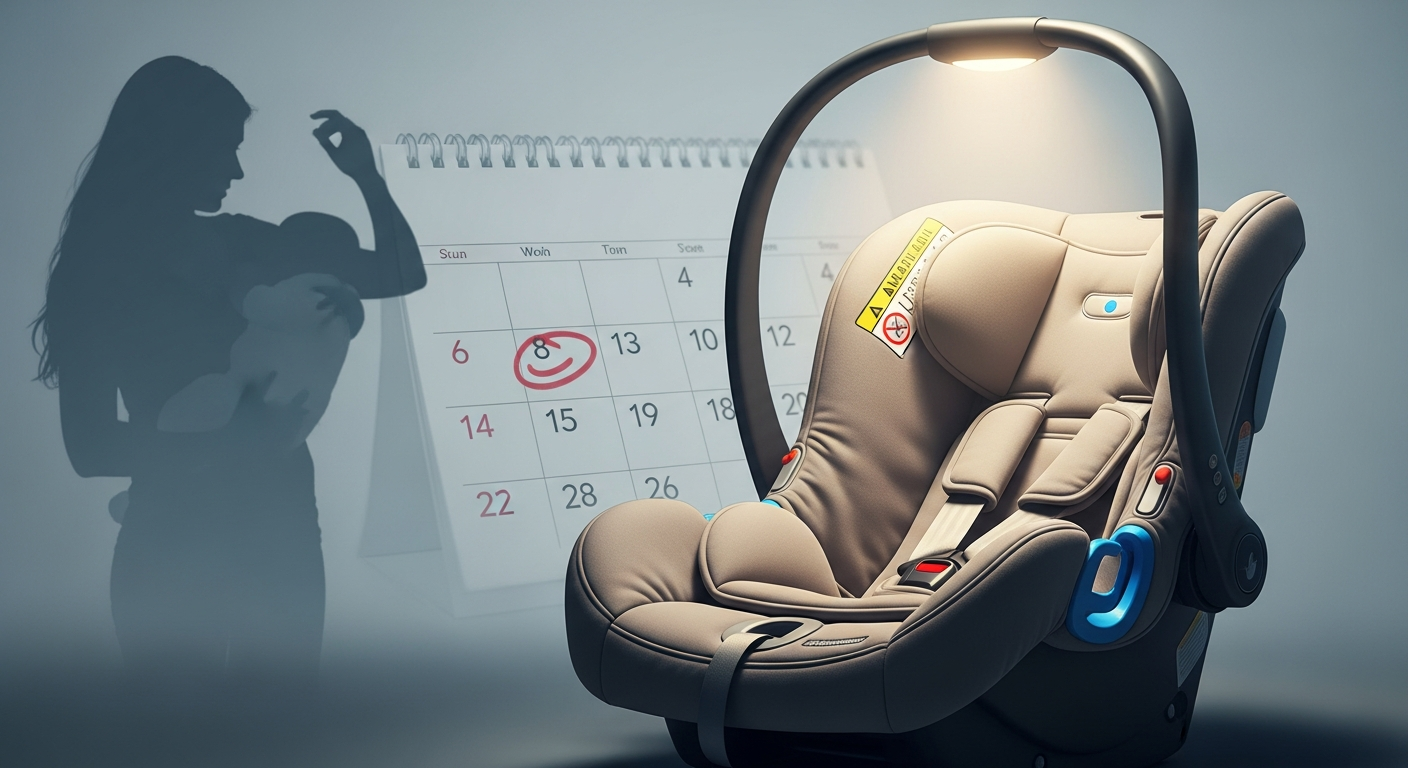
Congratulations, new parent! You’ve likely spent hours researching the perfect car seat, comparing safety features, installation methods, and maybe even fabric choices. You’ve probably practiced installing it dozens of times, watched countless YouTube videos, and felt a surge of pride (and a little bit of terror) when you finally buckled your tiny human in for the first time. But amidst all that meticulous preparation, there’s one crucial detail that often goes unnoticed until a panicked Google search at 2 AM: the car seat expiration date.
It sounds a bit strange, right? A car seat isn’t food, so why does it have an expiration date? You’re not alone in wondering this. Many first-time parents (and even seasoned ones!) are completely unaware that their child’s most vital piece of safety equipment has a shelf life. It’s often tucked away in an inconspicuous spot, a tiny label that holds a mighty secret impacting your child’s safety.
Why Car Seats Have an Expiration Date: It’s More Than Just a Number
Think of your car seat as a complex piece of engineering, designed to withstand incredible forces in the event of a collision. It’s made from a variety of materials – durable plastics, metal components, fabric, and energy-absorbing foam – all working together to protect your little one. Over time, these materials can degrade, even without visible wear and tear.
- Plastic Degradation: The plastic shell of your car seat is constantly exposed to temperature fluctuations (think scorching summer heat in a parked car and freezing winter nights), UV rays from the sun, and everyday stresses from buckling and unbuckling. Over the years, these exposures can cause the plastic to become brittle, weakening its structural integrity. A weakened shell might not perform as intended during a crash, potentially putting your child at risk.
- Metal Fatigue: While less common, metal components can also experience fatigue over time, especially if subjected to repeated stress.
- Fabric and Foam Wear: The fabrics and energy-absorbing foam linings, while seemingly minor, play a crucial role in comfort and impact absorption. They can compress, tear, or lose their effectiveness, reducing the car seat’s ability to cushion your child during a collision.
- Technological Advancements: Car seat technology is constantly evolving. Manufacturers regularly introduce new safety features, improved materials, and more rigorous testing protocols. An expired car seat might lack the latest advancements that could offer superior protection.
- Recall Information and Parts Availability: As car seats age, it becomes harder for manufacturers to track potential recalls or provide replacement parts. Keeping seats within their expiration window ensures that manufacturers can better support their products.
The Hidden Date: Where to Find It
Don’t panic! Finding the expiration date is usually straightforward once you know where to look. It’s almost always stamped or molded directly onto the plastic shell of the car seat. Common locations include:
- On the bottom or underside of the car seat.
- On the back of the car seat.
- On the side, near the labeling.
- Occasionally, on the label with the model number and manufacturing date.
Look for phrases like “Do Not Use After Date,” “Expiration Date,” “Valid Until,” or simply a “Month/Year” stamp. Sometimes, you’ll only find the “Date of Manufacture” (DOM or MFG) and a note stating the useful life (e.g., “6 years from DOM”). If you can’t find it, check your car seat’s user manual – it will always specify where to find this critical information. If you’ve inherited a car seat without a manual, most manufacturers provide digital versions on their websites.
Why This Matters for Your Family
Understanding car seat expiration dates isn’t just about following rules; it’s about making informed decisions to protect your most precious cargo. The American Academy of Pediatrics (AAP) strongly recommends following manufacturer guidelines for car seat use and expiration. While car seats are incredibly safe and effective when used correctly, an expired seat introduces an unknown variable into that safety equation. In fact, motor vehicle crashes are a leading cause of death for children, and proper car seat use can reduce the risk of injury by 71% for infants and 54% for toddlers. Ensuring your car seat is not expired is a fundamental part of providing that protection.
So, take a moment, grab your car seat, and locate that hidden date. It’s a small check that provides a huge amount of peace of mind, ensuring your little one is as safe as possible on every single journey.
Decoding Car Seat Expiration Dates: Why Manufacturers Set a Limit
You’ve probably seen expiration dates on everything from milk to medicine, but on a car seat? It might seem strange at first glance. However, there are very good, safety-driven reasons why car seat manufacturers stamp an expiration date on every single seat they make. It’s not just a marketing ploy to get you to buy a new one; it’s a critical safety measure designed to protect your most precious cargo.
The Unseen Wear and Tear: More Than Meets the Eye
Unlike a carton of milk, a car seat doesn’t suddenly “spoil.” Its components, however, do degrade over time, even with normal use (or no use at all!). Think about it: your car seat is constantly exposed to temperature fluctuations, from scorching summer heat in a parked car to freezing winter nights. It endures spills, crumbs, and countless buckling and unbuckling cycles. All of this takes a toll on the materials.
Plastic Fatigue: The most significant factor is the plastic shell. Car seats are made from high-quality, impact-absorbing plastics designed to withstand immense forces in a crash. Over time, and with constant exposure to UV rays and temperature changes, these plastics can become brittle and less effective at absorbing impact. Imagine a plastic container that’s been left in the sun for years – it becomes chalky and easily cracks. The same principle applies, albeit more subtly, to your car seat. A study by the National Highway Traffic Safety Administration (NHTSA) highlights the importance of material integrity in crash protection.
Strap and Harness Degradation: The harness straps are another critical component. They’re woven from strong synthetic fibers, but these fibers can fray, stretch, and weaken over years of use, exposure to sweat, sunscreen, and cleaning agents. A weakened harness might not distribute crash forces as effectively, potentially compromising your child’s safety. Always check your straps for any signs of wear, even before the expiration date.
Metal Component Stress: While less common, metal components like buckles and adjusters can also experience wear and tear, or even develop microscopic stress fractures over a long period. Manufacturers design these to last, but they aren’t invincible forever.
The Evolving Science of Safety: Why Older Isn’t Always Better
Beyond material degradation, car seat technology itself is constantly advancing. Manufacturers are always learning from crash test data, real-world accidents, and new research. An older car seat, even if it hasn’t expired, might not incorporate the latest safety innovations that could offer better protection.
For example, side-impact protection has seen significant advancements in recent years, with many newer models featuring deeper headrests and energy-absorbing foam. Similarly, some newer seats offer easier installation methods, which is crucial because correct installation is paramount to safety. The AAP recommends that parents ensure their car seat is installed correctly, and easier-to-use features can significantly reduce the margin for error.
The “Unknown History” Factor: Why Used Seats are Risky
The expiration date also helps mitigate the risks associated with a car seat’s “unknown history.” When you buy a new car seat, you know its complete history – it hasn’t been in a crash, it hasn’t been misused, and it hasn’t been stored improperly. With a used car seat, even if it looks perfect and hasn’t expired, you can’t be sure.
Undisclosed Accidents: Even minor fender benders can compromise the structural integrity of a car seat, making it unsafe for future use. Many manufacturers, like Chicco and Graco, explicitly state that a car seat should be replaced after any* crash, even if your child wasn’t in it at the time.
- Improper Cleaning or Storage: Harsh chemicals can degrade materials, and prolonged exposure to extreme temperatures in an attic or garage can accelerate plastic fatigue.
- Missing Parts or Instructions: Used seats often come without the original manual or crucial small parts, leading to incorrect assembly or use.
This is why organizations like the AAP strongly advise against using a car seat with an unknown history. The expiration date helps create a clear cutoff, encouraging parents to move on from older seats where these “unknowns” become more likely.
Ultimately, car seat expiration dates are a collective effort by manufacturers and safety experts to ensure that every child is protected by equipment that is in optimal condition and meets the latest safety standards. It’s a date that empowers you to make informed decisions for your child’s safety.
The Legal Lowdown: Is Using an Expired Car Seat Against the Law?
Okay, let’s get to the question that’s probably been nagging at you: can you actually get in trouble with the law for using an expired car seat? This is where things get a little nuanced, and it’s a common point of confusion for new parents.
The Short Answer: Generally, No, But…
Here’s the deal: In most places across the United States, there isn’t a specific federal or state law that explicitly prohibits the use of an expired car seat. You won’t typically get pulled over and ticketed solely because your car seat’s expiration date has passed. Police officers are usually focused on obvious violations like improper installation, incorrect harnessing, or using the wrong type of seat for a child’s age and size.
However, this “no” comes with a significant caveat. While it might not be a direct legal offense, using an expired car seat can absolutely put you in a precarious position, especially if an accident occurs.
What the Law Does Focus On: Safety Standards
Car seat laws are primarily concerned with ensuring children are properly restrained in an appropriate car seat that meets federal safety standards. These standards are set by the National Highway Traffic Traffic Safety Administration (NHTSA). When a car seat expires, it no longer guarantees it meets those safety standards, even if it hasn’t been in an accident.
Think of it this way: the law requires you to wear a seatbelt, but it doesn’t specify that your seatbelt can’t be frayed. However, if that frayed seatbelt fails in a crash, you’re in a much worse situation. Similarly, while not illegal per se, using an expired car seat means you’re operating outside of the manufacturer’s safety guarantees and the implicit understanding of the law that your safety equipment is fully functional.
The Legal Ramifications in a Crash Scenario
This is where the “no, but…” becomes really important. If you’re involved in a car accident and your child is injured while in an expired car seat, you could face significant legal challenges.
- Insurance Issues: Your insurance company might argue that you were negligent by using expired safety equipment. This could potentially impact your claim for medical expenses or other damages related to your child’s injuries.
- Child Endangerment Concerns: In severe cases, particularly if the car seat’s failure contributed to an injury, law enforcement or child protective services might investigate. While not a direct charge for using an expired seat, it could be seen as a contributing factor to child endangerment, depending on the circumstances and the severity of the incident.
- Civil Lawsuits: If another party was at fault for the accident, they might try to shift some blame to you by arguing that your expired car seat contributed to your child’s injuries, potentially reducing their liability.
The American Academy of Pediatrics (AAP) consistently recommends following manufacturer guidelines, including expiration dates, precisely to avoid these types of risks and ensure optimal protection. They emphasize that car seats are critical safety devices, and their integrity is paramount.
What About Resale or Donation?
This is another area where legal lines can blur. While it’s not illegal to possess an expired car seat, selling or donating an expired car seat is highly discouraged and could potentially lead to legal issues if someone else uses it and an injury occurs. Many states have laws regarding the sale of unsafe products, and an expired car seat falls into that category. Always dispose of expired car seats properly (more on that in a later section!).
Practical Advice for Peace of Mind
Instead of focusing on whether it’s “illegal,” shift your focus to what’s unequivocally safe. An expired car seat is an unknown quantity. Prioritize replacing an expired seat, just as you would replace worn-out tires or faulty brakes. It’s an investment in your child’s safety and your peace of mind.
Remember, car seat laws are designed to protect children. While they might not explicitly mention expiration dates, the spirit of the law is to ensure your child is as safe as possible on every journey. Don’t let a technicality overshadow the critical importance of keeping your little one secure in a fully functioning, unexpired car seat.
Beyond the Law: The Critical Safety Risks of an Expired Car Seat
Okay, so we’ve established that using an expired car seat generally isn’t going to land you in legal hot water. But here’s the kicker: just because it’s not illegal doesn’t mean it’s safe. In fact, ignoring that expiration date can put your precious cargo at significant risk. Think of it like this: would you eat yogurt that’s weeks past its “best by” date, even if it wasn’t technically illegal? Probably not, because you know it’s just not going to be as good, and might even make you sick. Car seats are way more important than yogurt!
Let’s dive into the very real, very critical reasons why those expiration dates exist and why adhering to them is paramount for your child’s safety.
Material Degradation: The Silent Weakening
Your car seat isn’t just a hunk of plastic and fabric; it’s a complex safety device engineered to withstand immense forces in a crash. Over time, and with everyday use, the materials that make up your car seat can degrade.
- Plastic Fatigue: The most crucial component is the plastic shell. Exposure to extreme temperatures (think scorching summer car interiors, freezing winter nights), UV rays from sunlight, and even just the stress of daily tightening and loosening can cause the plastic to become brittle and weaken. Imagine a plastic container that’s been left out in the sun for years – it becomes chalky and snaps easily. The same can happen to your car seat’s shell, making it less effective at absorbing impact during a collision.
- Strap and Harness Wear: The webbing of the harness straps, while incredibly strong initially, can fray, stretch, and weaken over time. Constant friction from buckles, spills, and repeated cleaning can compromise their integrity. The AAP recommends inspecting straps regularly for any signs of wear and tear. If you see fraying, it’s a huge red flag.
- Styrofoam (EPS) Degradation: Many car seats use EPS foam (Expanded Polystyrene, like a bike helmet) for energy absorption. This foam can compress or crack over time, especially with minor impacts or general wear, reducing its ability to protect your child’s head and body in a crash.
Technological Advancements: Safety Never Stands Still
Car seat technology is constantly evolving. Manufacturers are always researching and developing new materials, designs, and safety features to make car seats even more protective. An expired car seat, even if it looks fine, simply won’t have the same level of safety innovation as newer models.
- Improved Side-Impact Protection: Many newer car seats incorporate advanced side-impact protection systems, which are crucial as side-impact collisions are among the most dangerous for children. An older, expired seat may lack these critical features.
- Easier Installation: Modern car seats often feature easier-to-use LATCH systems, more intuitive belt paths, and indicators to ensure correct installation. Correct installation is absolutely vital – studies show a high percentage of car seats are installed incorrectly, and an older, more complex seat can exacerbate this issue.
Unseen Damage and Recalls: The Unknown Dangers
Beyond visible wear, there are hidden dangers. An expired car seat has been in use for years, accumulating potential issues you might not even be aware of:
- Micro-fractures: Even without being in a major crash, a car seat can sustain tiny, invisible stress fractures from everyday bumps, jostles, or being dropped. These micro-fractures compromise the seat’s structural integrity.
- Missing Parts: Over years of use, small but critical parts like harness adjusters, buckle components, or even instruction manuals can get lost or damaged.
- Outdated Safety Standards & Recalls: Safety standards are updated periodically. An expired seat was manufactured under older standards. Furthermore, older seats are much more likely to have been subject to a recall that you might not be aware of. Always check the NHTSA website for car seat recalls (nhtsa.gov/recalls).
The bottom line? While the law might not be chasing you for using an expired car seat, the potential consequences for your child’s safety are very real and very serious. Prioritizing their well-being means respecting that expiration date and upgrading to a new, safe car seat when the time comes. Your peace of mind, and their safety, are worth it.
Action Plan: What to Do When Your Car Seat Expires (or is Close!)
Okay, so you’ve found the expiration date, and it’s either passed or looming large. Don’t panic! This isn’t a crisis, but it is a call to action. Here’s a clear, step-by-step guide to make sure your little one stays safe on the road.
Step 1: Confirm the Expiration Date (Again!)
Before you do anything drastic, double-check that expiration date. Sometimes the date format can be tricky, or you might be looking at a manufacturing date instead. Most car seats have the expiration date clearly molded into the plastic, printed on a sticker, or found in the instruction manual. If you’re still unsure, look up your car seat’s specific model and brand online, or contact the manufacturer directly. Better safe than sorry!
Step 2: Research Your Replacement Options
Once you’ve confirmed your car seat is expired (or will be very soon), it’s time to start looking for a new one. This can feel overwhelming with so many choices, but focus on what’s best for your child’s current age, weight, and height.
- Infant Car Seats (Rear-Facing Only): Great for newborns and easy to click in and out of a base.
- Convertible Car Seats: These can be used rear-facing and then converted to forward-facing, often lasting longer. Many parents find these a great long-term investment.
- All-in-One Car Seats: These can go from rear-facing to forward-facing to booster mode, potentially being the only seat you’ll need.
When researching, look for seats that have excellent safety ratings from organizations like the National Highway Traffic Safety Administration (NHTSA). Check out independent reviews from trusted sources. And remember, the “best” car seat is the one that fits your child, fits your vehicle, and that you can install correctly every single time. The AAP recommends keeping children rear-facing for as long as possible, up to the maximum weight or height allowed by their car seat, as it’s the safest position.
Step 3: Purchase Your New Car Seat
Once you’ve done your research, it’s time to make the purchase. If possible, visit a store that allows you to try the car seat in your vehicle before buying. This helps ensure a good fit and proper installation. Don’t forget to check the new car seat’s manufacturing and expiration dates – you want to start with as much life on it as possible!
Step 4: Install the New Car Seat Correctly
This is arguably the most critical step. A car seat is only safe if it’s installed correctly. Studies show that a significant percentage of car seats (some estimates range as high as 75%) are installed incorrectly. Don’t become a statistic!
- Read the Manual: Seriously, read both your car seat manual AND your vehicle’s owner’s manual. They contain crucial information specific to your models.
- Use LATCH or Seatbelt: Decide whether you’ll install using the LATCH system (Lower Anchors and Tethers for Children) or the vehicle’s seatbelt. Never use both simultaneously unless explicitly stated in your car seat manual.
- Check for Tightness: Once installed, the car seat should not move more than one inch side-to-side or front-to-back at the belt path.
- Get it Checked: The best way to ensure correct installation is to have it inspected by a certified Child Passenger Safety Technician (CPST). You can find a local CPST or car seat check event through the NHTSA website (nhtsa.gov/carseat) or by searching for “car seat check near me.” These services are often free and can provide invaluable peace of mind.
Step 5: Properly Dispose of the Expired Car Seat
Once your new car seat is safely installed, it’s time to say goodbye to the old one. Simply throwing it in the trash or donating it isn’t ideal, as it could potentially be reused by someone unaware of its expired status or damage.
- Cut the Straps: Use scissors to cut all the harness straps and the LATCH straps.
- Remove Fabric: If possible, remove the fabric cover.
- Mark as Expired/Unsafe: Write “EXPIRED” or “UNSAFE” in permanent marker on the plastic shell.
- Recycle (If Possible): Some communities have car seat recycling programs, or retailers occasionally offer trade-in events where you can get a discount on a new seat by bringing in an old one (even expired ones!). Check with your local waste management or car seat retailers for options. Otherwise, dismantle it as much as possible before placing it in the trash to prevent someone from trying to reuse it.
Taking these steps ensures your child continues to travel safely and gives you confidence every time you hit the road. You’ve got this, parent!
Final Recommendations: Prioritizing Safety and Peace of Mind on Every Journey
Whew! We’ve covered a lot of ground, from the legalities (or lack thereof) of expired car seats to the crucial safety reasons behind those dates. Our goal at PrimedParent.com is always to empower you with knowledge, not overwhelm you. So, let’s wrap this up with some clear, actionable takeaways to ensure every journey with your little one is as safe and stress-free as possible.
Your Car Seat: A Lifesaving Investment, Not a Forever Item
Think of your car seat as a perishable item, much like the food in your fridge. It has a shelf life, and for very good reasons. While using an expired car seat might not land you in legal trouble in most places, the potential safety risks are simply not worth taking. The materials degrade, the technology advances, and even small, unseen stress fractures can compromise its ability to protect your precious cargo in a crash.
The American Academy of Pediatrics (AAP) consistently emphasizes the importance of using a car seat correctly and within its lifespan. Their guidelines are built on extensive research and crash testing, all aimed at minimizing injuries and fatalities. Always remember, a car seat’s primary job is to absorb crash forces and distribute them safely – a job it can’t do effectively if it’s compromised.
Practical Steps for Ongoing Car Seat Safety
So, what should you actually do? Here are our top recommendations:
1. Know Your Car Seat’s Expiration Date – And Mark It!
Find that expiration date now! It’s usually molded into the plastic on the back or bottom of the seat, or printed on a sticker with the manufacture date. Once you find it, do yourself a favor: snap a photo and save it in your phone, or even better, write it down on a calendar or set a reminder. This simple step eliminates future guesswork and allows you to plan.
2. Register Your Car Seat
This is a big one that many parents overlook! Registering your car seat with the manufacturer ensures you’ll be notified directly of any recalls or safety notices. It’s a quick process, usually done online, and provides an invaluable safety net. Recalls can happen for various reasons, from buckle issues to structural concerns, and you want to be in the loop.
3. Inspect Your Car Seat Regularly
Give your car seat a quick once-over every few months. Check for:
- Cracks or damage: Especially after a fender bender, even a minor one, the seat might need replacement.
- Missing parts: Are all the harness straps, buckles, and pads in place and functioning correctly?
- Wear and tear: Frayed straps, sticky buckles, or loose components are red flags.
- Cleanliness: While not directly safety-related, keeping it clean can help you spot issues.
4. Consult a Certified Child Passenger Safety Technician (CPST)
When in doubt, reach out to an expert! CPSTs are certified professionals who can inspect your car seat, ensure it’s installed correctly, and answer any questions about its expiration or condition. Many fire departments, hospitals, and community organizations offer free car seat check events. This is especially helpful if you’re unsure about the expiration date or have any concerns about the seat’s integrity. You can find a CPST near you through organizations like Safe Kids Worldwide.
5. Plan for Replacement
If your car seat is nearing its expiration date, start budgeting and researching replacements. Technology in car seats evolves rapidly, offering enhanced safety features and ease of use. Brands like Chicco, Britax, Graco, and Clek are consistently top-rated for safety and innovation. Look for features like anti-rebound bars, load legs, and easy-to-use LATCH systems that weren’t common even a few years ago. Planning ahead means you won’t be scrambling at the last minute.
The Bottom Line: Your Peace of Mind Matters
Parenting is a journey filled with countless decisions, and car seat safety is one of the most critical. While the thought of replacing a perfectly good-looking car seat can feel wasteful, remember that its appearance can be deceiving. The internal components and materials are what truly matter in a crash.
Choosing to replace an expired car seat isn’t just about following rules; it’s about making an informed decision to protect your child with the best possible safety equipment. It’s about prioritizing their well-being above all else, ensuring that every time you buckle them in, you do so with confidence and peace of mind. Drive safe, Primed Parents!
Choosing the Best Convertible Car Seats of 2025: A Parent’s Guide
Navigating car seat options can feel overwhelming, but securing your little one safely is paramount. This guide simplifies your search for the best convertible car seats of 2025, offering expert insights and practical recommendations to help you make an informed decision with confidence and peace of mind.
Welcome to the Convertible Car Seat Journey: Why Your Choice Matters
Congratulations, new parent! You’re embarking on one of the most exciting (and sometimes overwhelming) adventures of your life. Among the myriad decisions you’ll make, choosing the right car seat for your precious little one stands out as one of the most critical. It’s not just another baby gear purchase; it’s a vital safety device that protects your child every single time you hit the road. Here at PrimedParent, we understand that the sheer volume of options can feel daunting, but we’re here to simplify the process and empower you to make a confident choice.
From Infant to Toddler: The Power of a Convertible Seat
You might be wondering, “Do I really need a convertible car seat if I already have an infant seat?” That’s a great question! While infant car seats are fantastic for those first few months, offering portability and a snug fit for newborns, your baby will outgrow it faster than you think. Most infant seats have a weight limit of around 30-35 pounds and/or a height limit that your growing little one will reach surprisingly quickly.
That’s where convertible car seats shine. They’re designed to “convert” from a rear-facing position (suitable for infants and toddlers) to a forward-facing position (for older toddlers and preschoolers). This means you get a much longer lifespan out of one seat, often lasting from birth until your child is ready for a booster seat, typically around 4-6 years old. This long-term value not only saves you money in the long run but also ensures continuous, appropriate protection as your child grows.
Why Rear-Facing is Best (and How Long to Keep It Up!)
Let’s talk about the absolute gold standard in car seat safety: rear-facing. This isn’t just a recommendation; it’s a critical safety measure. The American Academy of Pediatrics (AAP) strongly recommends keeping children in a rear-facing car seat for as long as possible, until they reach the maximum weight or height limit allowed by their car seat manufacturer. This often means well past their second birthday, and sometimes even up to age three or four!
Why is rear-facing so important? In a frontal collision, a rear-facing car seat cradles your child’s entire head, neck, and spine, distributing the crash forces over a larger area. Their fragile head and neck are significantly more vulnerable in a forward-facing position, where the force of impact can cause severe injuries. Think of it like this: your little one’s head is proportionally much larger and heavier than an adult’s, and their neck muscles and bones are still developing. Rear-facing provides unparalleled support and protection for these vital areas.
The Real Impact: Safety Statistics You Should Know
The numbers speak for themselves. Research consistently shows that rear-facing car seats are significantly safer. According to a study published in the journal Injury Prevention, children under two years old are 75% less likely to die or be severely injured in a crash if they are in a rear-facing car seat compared to a forward-facing one. These aren’t just statistics; they represent countless lives saved and serious injuries prevented.
Making the right choice for your convertible car seat means investing in your child’s safety and your peace of mind. As you navigate the options, remember that our goal at PrimedParent is to equip you with the knowledge and confidence to choose a seat that not only meets safety standards but also fits your family’s unique needs. Let’s dive deeper into what makes a great convertible car seat and how to find your perfect match.
Decoding Convertible Car Seat Safety: Essential Features and Certifications for Peace of Mind
Alright, let’s talk safety. This is probably the most crucial part of choosing a convertible car seat, and honestly, it can feel like a lot to take in. But don’t worry, we’re going to break down the essential features and certifications you need to know, so you can feel confident that your little one is as safe as possible on every ride.
Understanding Key Safety Certifications
First things first: certifications. In the U.S., every car seat sold must meet or exceed Federal Motor Vehicle Safety Standard (FMVSS) 213. This is the gold standard, ensuring that car seats undergo rigorous crash testing. When you see a car seat, look for a label stating it complies with FMVSS 213. Without it, it’s not legal or safe to use.
Beyond this, you might hear about other organizations. The American Academy of Pediatrics (AAP) provides invaluable recommendations for car seat safety, including rear-facing until at least two years of age, or ideally, until the child reaches the maximum height or weight limit of their convertible car seat. This is a crucial guideline for optimal safety, as rear-facing significantly reduces the risk of head and spinal cord injuries in a crash for infants and toddlers.
Essential Safety Features to Look For
When you’re comparing convertible car seats, these are the safety features that truly make a difference:
1. Side-Impact Protection (SIP)
This is a non-negotiable feature. Side-impact crashes can be incredibly dangerous, and good SIP helps absorb crash forces and shield your child’s head, neck, and torso. Many seats, like the Nuna RAVA and the Chicco NextFit Zip, boast advanced SIP systems, often featuring energy-absorbing foam and deep side wings. Look for seats that explicitly mention multi-layer or advanced side-impact protection.
2. Energy-Absorbing Foam (EPS or EPP Foam)
This specialized foam is designed to compress during a crash, dissipating impact forces away from your child. It’s similar to what you’d find in a bicycle helmet. Most reputable car seats will incorporate this, but it’s always good to confirm. It’s a quiet hero in crash protection!
3. Steel-Reinforced Frame
Some convertible car seats, such as many models from Graco and Britax, incorporate steel frames for added strength and durability. A steel-reinforced frame helps maintain the structural integrity of the car seat during a collision, providing an extra layer of protection. While not every top-rated seat has this, it’s a definite plus if you find it.
4. 5-Point Harness System
This is standard for all car seats, but it’s worth reiterating its importance. A 5-point harness (two straps over the shoulders, two at the hips, and one between the legs) distributes crash forces evenly across the strongest parts of your child’s body. Always ensure the harness straps are snug and lie flat, without any twists, and the chest clip is at armpit level. A good rule of thumb: if you can pinch any excess webbing at the shoulder, it’s too loose!
5. Anti-Rebound Bar (ARB)
Found on some premium convertible car seats (like certain models from Clek and Nuna), an anti-rebound bar is a safety feature that attaches to the base of the car seat when installed rear-facing. Its purpose is to limit the car seat’s rotation toward the back of the vehicle seat during a frontal crash, significantly reducing rebound motion and improving head and neck protection. While not mandatory, it’s a fantastic added safety measure.
Why Rear-Facing for Longer Matters
We briefly touched on this, but it’s so important it deserves its own moment. The AAP recommends keeping children rear-facing for as long as possible, up to the maximum height or weight limit of their convertible car seat. Why? Because a rear-facing car seat cradles your child’s head, neck, and spine in a crash, distributing the forces across their entire back. For infants and toddlers whose bones and ligaments are still developing, this is incredibly protective. Studies have shown that children under two are 75% less likely to die or be severely injured in a crash if they are rear-facing. Don’t rush to flip them forward-facing – those limits are there for a reason!
Choosing a convertible car seat with robust safety features and adhering to expert recommendations will give you immense peace of mind. You’re not just buying a seat; you’re investing in your child’s safety.
Finding Your Family’s Perfect Fit: Top Convertible Car Seats of 2025 Compared
Alright, parents, this is where the rubber meets the road! You’ve got the safety basics down, and now it’s time to look at some of the best convertible car seats that 2025 has to offer. Remember, the “best” seat isn’t just the most expensive one; it’s the one that fits your child, your car, and your lifestyle best. We’re going to break down some top contenders, highlighting what makes them stand out and who they might be perfect for.
Our Top Picks for 2025: A Quick Look
We’ve scoured expert reviews, crash test data (from sources like NHTSA), and parent feedback to bring you a curated list. While individual preferences vary, these seats consistently rank high for safety, ease of use, and overall value.
- The All-Rounder: Graco Extend2Fit Platinum Convertible Car Seat
- Why we love it: This seat is a consistent favorite for a reason. Its standout feature is the 4-position extension panel, allowing for up to 5 inches of extra legroom. Why is that a big deal? The American Academy of Pediatrics (AAP) recommends keeping children rear-facing for as long as possible, ideally until they reach the maximum height or weight limit for their car seat. The Extend2Fit truly helps you achieve that, often allowing kids to stay comfortably rear-facing until ages 3-5. It’s also super easy to install with the InRight LATCH system and features a no-rethread harness, which is a lifesaver for quick adjustments.
- Best for: Parents who prioritize extended rear-facing, those with taller children, and anyone looking for great value without compromising on features.
- The Compact Champion: Clek Foonf Convertible Car Seat
- Why we love it: If you have a smaller car, or need to fit three car seats across your back seat, the Clek Foonf is often the answer. It’s famously narrow, but don’t let its slim profile fool you – it’s packed with safety features like a steel anti-rebound bar (which can reduce rebound rotation by up to 50% in a frontal collision) and advanced side-impact protection. The rigid LATCH system makes for a super secure installation, though it can take a little practice.
- Best for: Urban dwellers, multi-car seat families, and parents willing to invest in premium safety and a compact design.
- The Comfort King/Queen: Nuna RAVA Convertible Car Seat
- Why we love it: Parents rave about the Nuna RAVA for its luxurious feel and incredibly simple installation. The “Simply Secure” installation system is notoriously user-friendly, often allowing for a correct install in minutes using the vehicle’s seatbelt – no LATCH required! It also boasts a no-rethread harness, infant inserts made from merino wool (great for temperature regulation), and a sleek design that many parents appreciate. Plus, it allows for extended rear-facing up to 50 lbs.
- Best for: Parents who value premium comfort, effortless installation, and a stylish aesthetic.
Considerations Beyond the Top Picks
While these are fantastic options, remember to think about these factors as you narrow down your personal choice:
- Your Vehicle’s Fit: This is CRITICAL. Even the “best” car seat won’t be safe if it doesn’t fit correctly in your car. Always check the car seat manufacturer’s compatibility list and, if possible, try installing it in your car before committing. Look for a snug fit with less than 1 inch of movement at the belt path.
- Your Child’s Size: Pay close attention to the height and weight limits for both rear-facing and forward-facing. Don’t just look at the maximum weight; the maximum height for rear-facing is often the first limit your child will reach.
- Ease of Cleaning: Let’s be real, kids are messy! Look for seats with removable, machine-washable covers. Trust us, future you will thank you.
- Budget: Car seats range widely in price. There are excellent safe options at every price point. Don’t feel pressured to buy the most expensive one; focus on safety, proper fit, and features that genuinely benefit your family.
Choosing a car seat is a big decision, but by focusing on safety, fit, and your family’s unique needs, you’re well on your way to making a confident choice. Next up, let’s tackle installation – often the trickiest part, but we’ve got you covered!
Installation Made Easy: Overcoming Common Car Seat Challenges and Ensuring a Secure Ride
You’ve picked out the perfect convertible car seat – congratulations! Now comes the moment of truth: installation. For many parents, this is often the most intimidating part, and for good reason. A correctly installed car seat is absolutely critical for your child’s safety. In fact, studies show that as many as 46% of car seats are installed incorrectly, significantly reducing their effectiveness in a crash. Don’t worry, we’re here to make it less daunting and more doable.
Understanding Your Installation Options: LATCH vs. Seat Belt
Most modern convertible car seats offer two primary installation methods:
- LATCH (Lower Anchors and Tethers for Children): This system uses built-in anchors in your vehicle’s back seat and attachments on the car seat itself. It’s often seen as easier because it reduces the guesswork of seat belt routing. Many parents find the “click-in” nature of LATCH reassuring.
- Vehicle Seat Belt: This method uses your car’s own seat belt to secure the car seat. It requires careful routing through the car seat’s designated belt path and locking the seat belt.
Important Note: You should never use both LATCH and the seat belt simultaneously to install the same car seat unless your car seat manual specifically states otherwise (which is rare). Choose one method and stick to it. The American Academy of Pediatrics (AAP) recommends using LATCH until your child (and car seat) reaches the maximum weight limit for LATCH specified by the car seat manufacturer (typically around 65 lbs combined weight of child and seat, but always check your specific car seat manual!). Once you exceed that limit, you must switch to the vehicle’s seat belt.
The “Inch and Pinch” Test: Your Best Friend for a Secure Installation
No matter which method you use, the “inch and pinch” test is your go-to for checking tightness:
- The Inch Test: Grab the car seat at the belt path (where the LATCH strap or seat belt goes through it). Try to move it side to side and front to back. If it moves more than one inch in any direction, it’s not tight enough.
- The Pinch Test: Once your child is buckled in, try to pinch the car seat strap at their shoulder. If you can pinch any excess webbing, the straps are too loose. They should be snug against your child’s body, with no slack.
Common Installation Challenges & How to Conquer Them
- Getting it Tight Enough: This is the biggest hurdle.
- Kneel and Push: For both LATCH and seat belt installations, put your weight into the car seat. Kneel in the seat and push down firmly while simultaneously pulling the LATCH strap or seat belt tight. This helps compress the vehicle’s seat cushion and remove slack.
- LATCH Troubleshooting: Ensure the LATCH connectors are fully engaged. Sometimes, giving the car seat a good shake while pulling the strap can help it “settle” and get tighter.
- Seat Belt Troubleshooting: Make sure you’ve locked the vehicle’s seat belt (most car seat manuals will show you how – often by pulling the shoulder belt all the way out until it retracts and locks, or by using a locking clip if your car seat requires one).
Angle Indicators: Rear-facing convertible car seats have specific recline angles for safety, especially for newborns who need proper head and neck support. Always check your car seat’s built-in angle indicator (usually a bubble or line) to ensure it’s within the safe range for your child’s age and weight. If you’re struggling to get the correct angle, pool noodles or a rolled towel (placed at the bight of the vehicle seat, under the car seat) can often help, but only* if your car seat manufacturer allows it – check your manual!
- Tethering (Forward-Facing): When your child transitions to forward-facing, the top tether strap becomes vital. It significantly reduces head excursion in a crash. Always connect the top tether to the designated tether anchor in your vehicle and tighten it. Don’t skip this step!
When to Seek Expert Help
Feeling overwhelmed? You are not alone! Many hospitals, fire stations, and police departments offer free car seat checks by certified Child Passenger Safety (CPS) technicians. These experts can:
- Verify your installation is correct.
- Teach you how to install your specific car seat in your specific vehicle.
- Check for proper harness fit on your child.
- Answer any questions you have.
You can find a certified CPS technician near you by visiting the National Highway Traffic Safety Administration (NHTSA) website (nhtsa.gov) and searching their car seat inspection station locator.
Remember, a correctly installed car seat is the best protection you can give your child on the road. Take your time, read your manuals (both car seat and vehicle!), and don’t hesitate to ask for help. Your child’s safety is worth every effort!
Beyond the Purchase: When to Upgrade, Car Seat Care, and Common FAQs
You’ve done the research, chosen the perfect convertible car seat, and mastered the installation – congratulations! But your car seat journey doesn’t end there. To ensure your child’s continued safety and get the most out of your investment, it’s important to know when to transition, how to keep your seat in top shape, and answers to those lingering questions.
When to Upgrade: Moving Beyond the Convertible
Convertible car seats are amazing because they grow with your child, but they aren’t forever. Knowing when to make the next switch is crucial for safety. The general rule of thumb is to keep your child in their convertible car seat until they reach the maximum height OR weight limit for that seat, as specified by the manufacturer. This is paramount, as exceeding these limits compromises the seat’s ability to protect your child in a crash.
Typically, children will transition from a convertible car seat to a booster seat (either a high-back booster or a backless booster) when they are at least 4 years old AND have outgrown the height/weight limits of their convertible seat. The American Academy of Pediatrics (AAP) recommends that children remain in a forward-facing car seat with a 5-point harness until they reach the maximum weight or height for that seat. For most convertible seats, this means staying harnessed until 40-65 pounds or up to 49 inches tall. Only then should you consider a booster seat, which helps position the vehicle’s seat belt correctly across their body. Remember the “5-step test” for booster readiness:
- Does the child sit all the way back against the vehicle seat?
- Do their knees bend comfortably at the edge of the vehicle seat?
- Does the lap belt fit low on the hips, touching the tops of the thighs?
- Does the shoulder belt rest midway across the shoulder and chest?
- Can they stay in this position for the entire trip?
If you answer “no” to any of these, they’re not ready for a booster yet!
Keeping Your Car Seat Clean and Safe: Car Seat Care Tips
Your car seat is a workhorse, enduring spills, crumbs, and everything in between. Proper cleaning and maintenance are vital for its longevity and safety.
- Read the Manual! This is non-negotiable. Each car seat has specific cleaning instructions for its fabric covers and harness straps. Using harsh chemicals or machine washing components not approved for it can degrade the materials and compromise safety.
- Fabric Covers: Most fabric covers are removable and machine washable on a gentle cycle with mild detergent. Always air dry, as high heat can shrink or damage the fabric.
- Harness Straps: This is where many parents make mistakes! Never submerge harness straps in water, machine wash them, or use harsh cleaners. Doing so can weaken the fibers, making them less effective in a crash. Instead, wipe them clean with a damp cloth and mild soap (like diluted dish soap) and let them air dry. For tough spots, a soft brush can help.
- Buckle: The buckle can get sticky with food debris. Again, check your manual, but typically you can flush it with warm water in the sink. Avoid lubricants or harsh soaps.
- Shell: The plastic shell can be wiped down with a damp cloth and mild soap.
Beyond cleaning, always inspect your car seat regularly for any signs of wear and tear, cracks, or damage. If you notice anything concerning, contact the manufacturer immediately.
Common FAQs: Your Lingering Questions Answered
- “What if my child falls asleep and slumps over?” While it looks uncomfortable, if your child is correctly harnessed, a slight slump in a forward-facing seat is usually okay. Their head may fall forward because their neck muscles relax. Ensure the harness is snug and the chest clip is at armpit level. If they are still rear-facing, a slight recline helps keep their head comfortably positioned.
- “Can I use a used car seat?” The AAP strongly advises against using a car seat with an unknown history. Car seats have an expiration date (typically 6-10 years from the manufacture date) and should be replaced after any moderate to severe crash, even if there’s no visible damage. You also can’t be sure if a used seat has been properly cleaned or maintained. Stick to new for peace of mind!
- “What’s the deal with car seat expiration dates?” Car seats expire because materials degrade over time due to temperature fluctuations, sun exposure, and general wear and tear. Plastic can become brittle, and other components might weaken. Always check the sticker on your car seat for the manufacture and expiration dates.
“My child complains about the harness. What do I do?” First, double-check that the harness is properly adjusted and not too tight or pinching. Ensure the chest clip is at armpit level. Sometimes, children just naturally resist. Distraction, positive reinforcement, and explaining why* it’s important for safety can help. Never loosen the harness to appease them – a loose harness is a dangerous harness.
Your commitment to car seat safety is a testament to your love for your child. By staying informed about upgrades, care, and common questions, you’re ensuring they remain safe and secure on every journey. Drive safely!
Best Beach Stroller: Top Picks for Stress-Free Family Beach Days
Family beach trips are exciting, but if you’ve ever tried pushing a standard stroller through soft sand, you know it can be a frustrating experience. That’s where beach strollers come in—designed with larger wheels, durable frames, and comfort features that make sandy terrain manageable. In this guide, we’ll explore what makes a stroller great for the beach, review top picks for 2025, share practical usage tips, and even suggest alternatives.
What Makes a Stroller Perfect for the Beach?
When it comes to selecting the right stroller for the beach, parents quickly realize that not all models are created equal. While regular strollers are perfectly fine for sidewalks and malls, sandy terrain is a different challenge altogether. Soft sand can trap small wheels, salty air can damage weak materials, and uneven paths demand extra durability.
Essential Features for Beach Strollers
- Large All-Terrain Wheels
- Air-filled or foam-filled to prevent sinking into sand.
- Wide tires distribute weight evenly for smoother rides.
- Rust-Resistant Frames
- Aluminum or powder-coated steel frames resist salt corrosion.
- Longer-lasting durability compared to standard strollers.
- Lightweight Design
- Easier to carry across sand or up dunes.
- Reduces strain on parents managing multiple items.
- Easy Folding Mechanism
- One-hand or quick-fold systems save time.
- Compact size fits easily in cars or storage spaces.
- Adequate Carrying Capacity
- Supports child weight plus gear without wobbling.
- Ensures stability in uneven conditions.
Quick Comparison of Core Features
|
Feature |
Why It Matters at the Beach |
Example Benefit |
|
Large All-Terrain Wheels |
Better traction on soft sand |
Prevents sinking |
|
Rust-Resistant Frame |
Withstands salt and moisture |
Longer stroller lifespan |
|
Lightweight Build |
Easier transport and maneuverability |
Less strain for parents |
|
Easy Folding |
Quick setup and storage |
Saves time when kids are impatient |
|
Weight Capacity |
Supports child and extras |
Prevents tipping |
A stroller perfect for the beach combines durability, maneuverability, and portability to handle sandy terrain while keeping children comfortable and secure.
Key Takeaway: A beach stroller should act like an all-terrain vehicle, with large wheels, rust-resistant frames, and lightweight yet sturdy construction designed to tackle sand with ease:
Top Safety and Comfort Features for Sandy Adventures
Mobility may be the first concern for parents at the beach, but safety and comfort are equally critical. Long hours under the sun and bumpy, sandy paths mean your stroller must offer protection, a smooth ride, and ease of use.
Safety Must-Haves
- Oversized Canopy with UPF Protection
- Shields against harmful UV rays.
- Adjustable canopies allow better positioning.
- Secure Harness System
- A five-point harness keeps children safe.
- Prevents tipping or slipping during rough rides.
- Stable Frame Design
- A wide base reduces the risk of tipping.
- Lockable wheels increase stability on slopes.
Comfort Essentials
- Breathable Fabrics
- Mesh inserts allow for airflow, preventing overheating.
- Washable materials keep the stroller fresh and clean.
- Suspension System
- Shock absorption provides smoother rides.
- Prevents children from feeling every bump.
- Storage Options
- Under-seat baskets for towels and toys.
- Cup holders and side organizers for snacks and water.
Safety & Comfort Checklist
|
Feature |
Safety or Comfort |
Why It Matters |
|
Oversized Canopy |
Safety |
Protects against UV rays |
|
Five-Point Harness |
Safety |
Secure child positioning |
|
Breathable Fabrics |
Comfort |
Keeps kids cool in the heat |
|
Suspension System |
Comfort |
Smooths out bumpy rides |
|
Storage Baskets |
Comfort |
Makes parents’ load lighter |
These features ensure children stay safe, shaded, and comfortable while parents enjoy convenience during beach outings.
Key Takeaway: The best beach strollers combine UV protection, secure harnesses, breathable fabrics, and suspension systems to ensure both safety and comfort during sandy adventures:
The Best Beach Strollers for Families in 2025
With numerous options available, selecting the ideal stroller for the beach can be a daunting task. To make the decision easier, here’s an overview of the top-performing beach strollers of 2025, each catering to different needs—whether you’re looking for affordability, premium features, or versatility.
Top 5 Beach Stroller Picks
- BOB Gear Revolution Flex 3.0
- Best for active families who also jog.
- Excellent suspension and all-terrain performance.
- Drawback: bulky fold.
- Baby Trend Expedition Jogger
- Budget-friendly stroller with bicycle-style tires.
- Lightweight and easy to maneuver.
- Drawback: limited storage.
- Thule Urban Glide 2
- Stylish jogger with swivel-locking front wheel.
- Smooth handling on sand and pavement.
- Drawback: high price point.
- Evenflo Pivot Xplore Wagon
- A push/pull hybrid wagon is ideal for multiple kids.
- Dual canopies and large storage space.
- Drawback: heavier to lift.
- Joovy Zoom 360 Ultralight
- Lightweight jogger with large wheels.
- High seat offers great child visibility.
- Drawback: not car-compact.
Comparison Table
|
Model |
Best For |
Price Range |
Highlight Feature |
Cons |
|
BOB Gear Revolution Flex 3.0 |
Active families |
$$$ |
Superior suspension |
Bulky fold |
|
Baby Trend Expedition Jogger |
Budget buyers |
$$ |
Lightweight, easy handling |
Limited storage |
|
Thule Urban Glide 2 |
Style + performance |
$$$$ |
Premium design |
Expensive |
|
Evenflo Pivot Xplore Wagon |
Families with/ multiple kids. |
$$$ |
Push/pull versatility. |
Heavy |
|
Joovy Zoom 360 Ultralight |
Lightweight jogging |
$$ |
High seat, smooth ride |
Not car-compact |
Whether you’re looking for a jogging stroller, a budget-friendly option, or a wagon hybrid, 2025 offers excellent choices for every type of family.
Key Takeaway: The best beach strollers of 2025 balance affordability, durability, and functionality, ensuring parents can find a model that matches their budget and lifestyle:
Tips for Using a Stroller on Sand Without Struggle
Even the most advanced beach stroller can be tricky to maneuver on sand. Parents often find themselves frustrated when the wheels sink or the stroller feels heavy to push. Fortunately, with the right techniques and a little preparation, you can make your stroller experience at the beach far smoother and more enjoyable.
Push vs. Pull Techniques
- Pulling
- Works best on soft, deep sand.
- Reduces wheel sinking by using body weight for leverage.
- Helps prevent the front wheels from getting stuck.
- Pushing
- Easier on packed, firm sand near the waterline.
- Allows better control and steering.
- More comfortable for longer stretches.
Adjusting Tire Pressure
- Slightly deflate air-filled tires to increase surface area.
- Wider tires gain better traction on sand.
- Reinstate normal pressure before returning to sidewalks or roads.
Choosing the Right Path
|
Sand Condition |
Best Strategy |
Why It Works |
|
Soft, dry sand |
Pull backward |
Prevents sinking and heavy resistance |
|
Packed sand near shore |
Push forward |
Offers firmer ground and smoother rides |
|
Wet sand close to waves |
Avoid |
Risk of saltwater damage to the frame and fabric |
Packing Light
- Carry only the essentials, such as water, sunscreen, and snacks.
- Leave heavier items (such as coolers and chairs) at your beach setup.
- Use backpacks or wagons for extra gear.
Maintenance After Use
- Rinse wheels and joints with fresh water to remove salt and sand.
- Shake out the fabric and wash the covers if they are removable.
- Dry stroller thoroughly to prevent corrosion.
Step-by-Step Guide
- Head toward firmer sand for easier movement.
- Adjust the tire pressure if your stroller allows it.
- Choose between push and pull depending on the conditions.
- Pack only light essentials in the stroller.
- Rinse and clean after the trip.
With simple adjustments, such as adjusting tire pressure, selecting a smart path, and pulling instead of pushing, beach stroller use becomes significantly less stressful.
Key Takeaway: Small changes in technique—such as pulling backward, packing light, and rinsing after use—make a big difference in how well your stroller performs on sandy terrain:
Alternatives to Strollers for Beach Days with Kids
While beach strollers are incredibly useful, they aren’t the only option for parents heading to the shore. Depending on your family’s needs, alternatives such as wagons, baby carriers, or hybrid designs may provide more convenience.
Beach Wagons
Pros
- Wide, heavy-duty wheels that roll easily over sand.
- Large storage capacity for toys, towels, snacks, and umbrellas.
- Often include safety harnesses and sun canopies.
Cons
- Bulky and heavy to transport.
- Require a larger vehicle space for storage.
Baby Carriers
Pros
- Hands-free and lightweight for parents.
- Great for infants and short beach walks.
- Compact and easy to pack.
Cons
- Provide little sun protection unless paired with hats/umbrellas.
- No storage for gear.
Hybrid Wagon-Strollers
Pros
- Combine push and pull options.
- Often come with dual canopies and reclining seats.
- Suitable for multiple children.
Cons
- Heavier than regular strollers.
- More expensive than standard options.
Comparison Table
|
Option |
Best For |
Key Pros |
Key Cons |
|
Beach Wagon |
Families with multiple kids + gear |
Huge storage, durable wheels, and canopy options |
Heavy, bulky |
|
Baby Carrier |
Parents with infants, light packers |
Hands-free, compact, lightweight |
No storage, limited shade |
|
Hybrid Wagon-Stroller |
Families wanting versatility |
Push/pull design, canopy, multi-child use |
Expensive, heavier |
Alternatives like wagons, carriers, and hybrids can sometimes be more practical than traditional strollers, depending on factors such as family size, beach gear, and convenience needs.
Key Takeaway: Beach wagons, baby carriers, and hybrid wagon-strollers offer versatile alternatives that simplify beach outings, giving parents options tailored to different lifestyles:
Conclusion
A beach day with kids doesn’t have to be stressful when you’re equipped with the right gear. The best beach strollers are designed with large wheels, durable frames, and comfort features that make sandy adventures easier for both parents and children. Whether you choose a jogger, wagon, or hybrid option, the key is finding a stroller that fits your family’s lifestyle and budget. With the right choice—and a few smart tips—you’ll spend less time struggling with wheels in the sand and more time enjoying the waves and sunshine together.
FAQs
Can I use a regular stroller at the beach?
Yes, but it won’t be easy on soft sand. All-terrain strollers perform much better.
Do beach strollers work on other terrains?
Absolutely! Most beach strollers are also designed for use on trails, gravel, and uneven paths.
Are wagon strollers safe for toddlers?
Yes, as long as they include safety harnesses and meet safety standards.
How do I clean a stroller after a trip to the beach?
Rinse the wheels with fresh water, wipe the frames, and shake out the sand from the fabric areas.
What’s the best budget-friendly beach stroller?
The Baby Trend Expedition Jogger is often recommended for budget-conscious families.
Hello world!
Welcome to WordPress. This is your first post. Edit or delete it, then start writing!