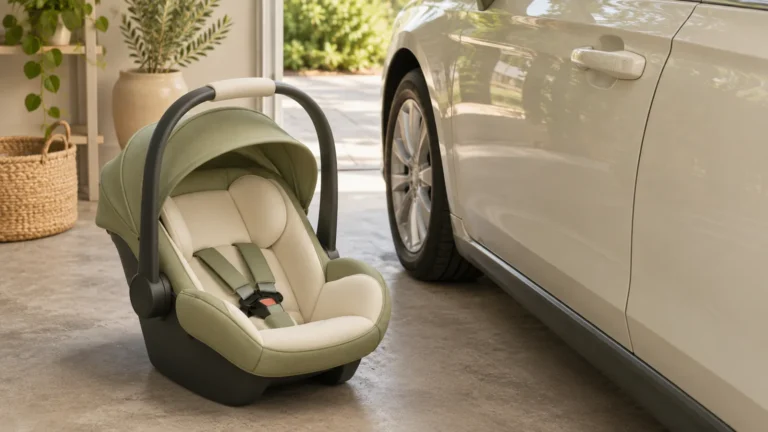
How to Choose a Stroller for an Older Child
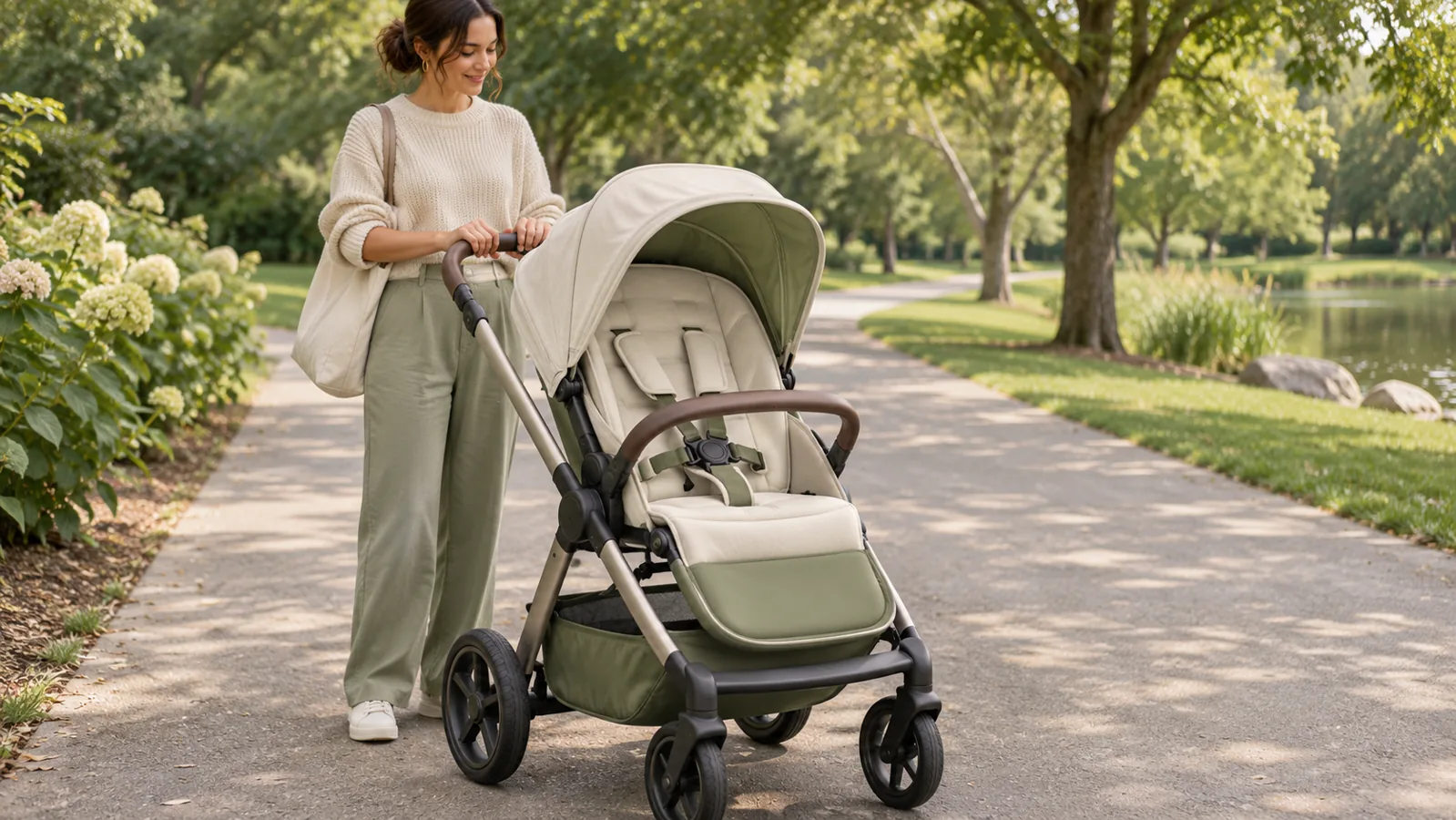
For an older child who still rides on long outings, start with the fit of the actual seat. A higher advertised weight limit tells you little about whether the harness, seat depth or footrest fits your child.
Start with the manual and seat dimensions
Record the exact model and intended position. Read the manufacturer’s height, weight and seating rules for that position. If the model has more than one seat or rider platform, check each position and any combined limits separately.
- Check usable seat depth and back height, including room beneath the canopy.
- Confirm the harness adjusts as the manual describes and the child’s feet fit the footrest.
- Look for enough room to get in and out the way the manufacturer instructs.
Compare a seat with other configurations
A standing board and a seat serve different needs. Only use a board or second seat if the manufacturer documents that combination and your child meets its limits. Check the AAP stroller guidance for general parking brake, harness and balance precautions.
Test the outings you take most
Measure doorways, storage and your trunk. Test the fold, steering and brake on an empty stroller if trying one in a shop. If a clinician has recommended equipment for a specific mobility need, ask them which features to compare. For used equipment, check the exact model in the CPSC recall database and use our older stroller inspection guide.